Linux OS vs Windows OS: The Unstoppable Advantages in 2026. Discover the brilliant strengths of Linux compared to Windows in 2026. From unbeatable performance and security to cost efficiency and customization, explore why Linux is becoming the unstoppable choice for modern users.
Table of Contents
Introduction to OS Landscape in 2026

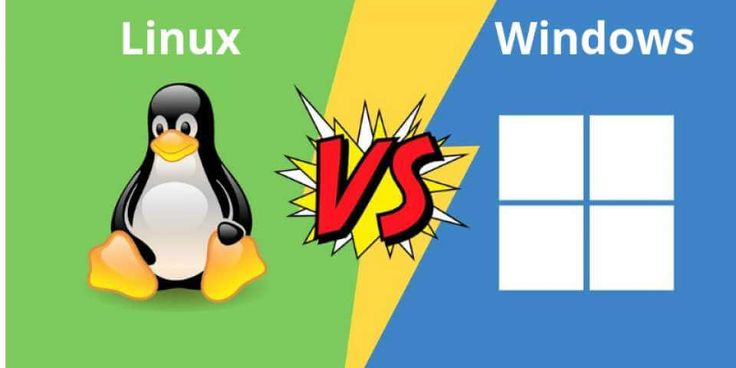
The global operating system market in 2026 is defined by a brilliant competition between Linux OS vs Windows OS. Both platforms continue to evolve, offering users powerful features, enhanced security, and improved performance. While Windows OS remains dominant in enterprise environments due to its extensive ecosystem and compatibility, Linux OS has gained unstoppable momentum thanks to its open-source brilliance, cost efficiency, and customization power.
This unstoppable showdown reflects a positive shift in user preferences. Businesses and individuals are increasingly evaluating the advantages of Linux OS vs Windows OS to align with modern digital needs. Linux thrives on flexibility, community-driven innovation, and lightweight performance, while Windows continues to deliver seamless integration, user-friendly interfaces, and enterprise-grade support.
In 2026, the operating system landscape is no longer about a single dominant player it’s about empowering users with choice, adaptability, and brilliance. The comparison of Linux OS vs Windows OS highlights how both systems are shaping the future of computing, ensuring that users can thrive in a rapidly evolving digital world.
Unstoppable Linux Performance

In 2026, the brilliance of Linux OS vs Windows OS is most evident when we look at Linux OS delivering unstoppable performance across devices. Linux has become synonymous with speed, stability, and efficiency, making it a preferred choice for developers, enterprises, and everyday users who demand reliability.
Speed
Linux distributions are lightweight and optimized, ensuring faster boot times and smoother multitasking. Unlike Windows, which often requires more system resources, Linux thrives even on older hardware, offering a performance boost without compromising functionality.
Stability
The open-source architecture of Linux ensures fewer crashes and minimal downtime. Its modular design allows users to run only what they need, reducing system overload and enhancing overall system stability. This makes Linux a brilliant choice for servers, cloud environments, and mission-critical applications.
Efficiency
Linux is designed for efficiency, consuming fewer resources while maximizing output. This efficiency translates into longer hardware lifespans, reduced energy consumption, and seamless scalability across devices, from desktops to IoT systems. The efficiency advantage is a key reason why Linux continues to gain unstoppable momentum in 2026.
In the ongoing Linux OS vs Windows OS showdown, Linux’s performance edge is not just technical, it’s transformative. It empowers users with a faster, more stable, and efficient computing experience, making it a brilliant competitor in the modern digital landscape.
Windows OS Strengths
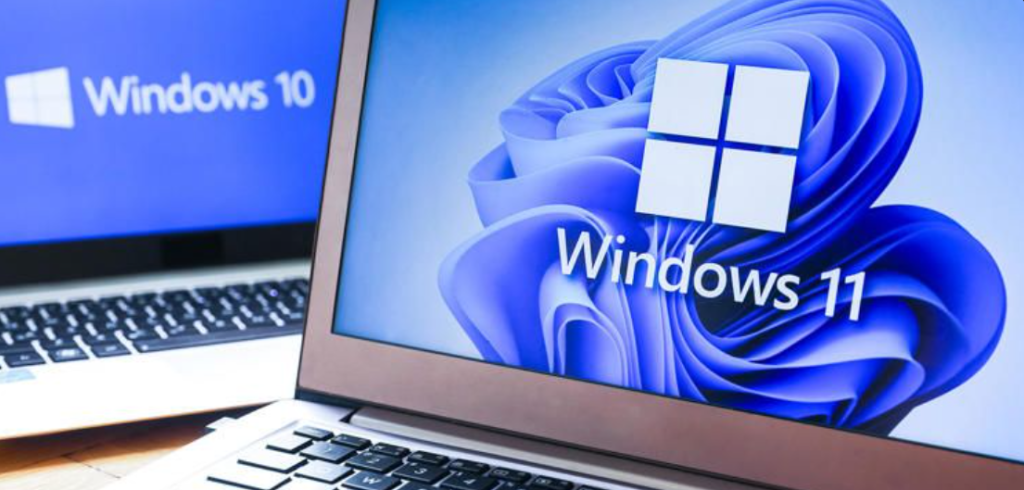
Even in 2026, the Windows OS continues to hold significant advantages for mainstream users, making it a strong competitor in the Linux OS vs Windows OS landscape. While Linux thrives on customization and open-source brilliance, Windows remains the go-to choice for millions due to its accessibility, compatibility, and enterprise integration.
Key Advantages of Windows OS
- User-Friendly Interface: Windows offers a familiar, intuitive design that appeals to mainstream users. Its graphical interface and ease of navigation make it accessible for beginners and professionals alike.
- Software Compatibility: With widespread support for applications, games, and enterprise tools, Windows ensures seamless compatibility. Many industry-standard programs are optimized for Windows first, giving it a strong edge.
- Enterprise Integration: Windows dominates corporate environments with built-in support for Microsoft Office, Azure, and enterprise-grade security features. This makes it indispensable for businesses worldwide.
- Gaming Excellence: Windows remains the leader in gaming, offering compatibility with the latest titles, DirectX support, and optimized performance for high-end hardware.
- Regular Updates: Microsoft provides consistent updates, patches, and new features, ensuring that users benefit from ongoing improvements in security and functionality.
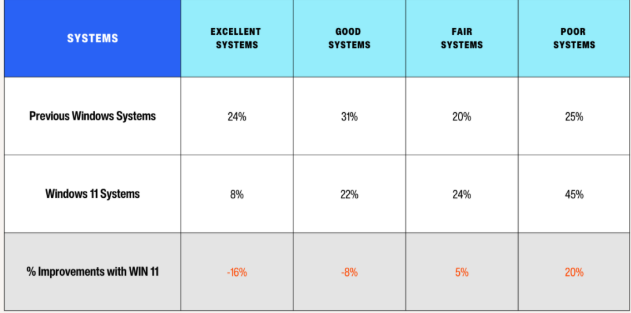
The strengths of Windows OS lie in its ability to deliver a seamless experience for mainstream users who prioritize convenience, compatibility, and enterprise-ready solutions. In the ongoing Linux OS vs Windows OS showdown, Windows continues to shine as the reliable choice for everyday computing, professional workflows, and entertainment.
Brilliant Showdown: Cost, Security, Customization & Community in Linux OS vs Windows OS
Here’s a simplified comparison table that makes the differences between Linux OS vs Windows OS easy to understand for readers:
| Aspect | Linux OS | Windows OS |
| Cost Efficiency | Free and open‑source, no licensing fees, long‑term savings on upgrades and maintenance. | Requires paid licenses, recurring costs for updates and enterprise editions. |
| Security Brilliance | Open‑source model with rapid community patches, fewer malware threats, strong system control. | Regular updates from Microsoft, but more targeted by malware due to widespread use. |
| Customization Power | Highly flexible as users can tailor distributions, desktop environments, and system behavior. | Structured ecosystem; limited customization beyond themes and settings. |
| Community & Support | Global community drives innovation, troubleshooting, and shared resources. | Official Microsoft support, enterprise help desks, and large corporate backing. |
Pros and Cons: Linux OS vs Windows OS
This Brilliant Showdown shows Linux excelling in cost, security, customization, and efficiency, while Windows remains strong in usability, compatibility, and enterprise integration.
| Category | Linux OS | Windows OS |
| Pros | Cost Efficiency: Free, open‑source, no licensing fees. Security Brilliance: Strong protection, fewer malware threats. Customization Power: Flexible distributions and desktop environments. Performance Boost: Lightweight, fast, efficient on older hardware. Community Support: Global innovation and troubleshooting. | User-Friendly Interface: Familiar design, easy navigation. Software Compatibility: Broad support for apps and games. Enterprise Integration: Seamless with Microsoft Office & Azure. Gaming Excellence: Optimized for latest titles with DirectX. Regular Updates: Consistent patches and new features. |
| Cons | Steeper learning curve for beginners. Limited compatibility with proprietary software/games. Reliance on community support instead of centralized enterprise help | Licensing costs and recurring fees. Higher resource consumption, slower on older hardware. More frequent malware targeting due to widespread use. |
New Updates and Features of OS
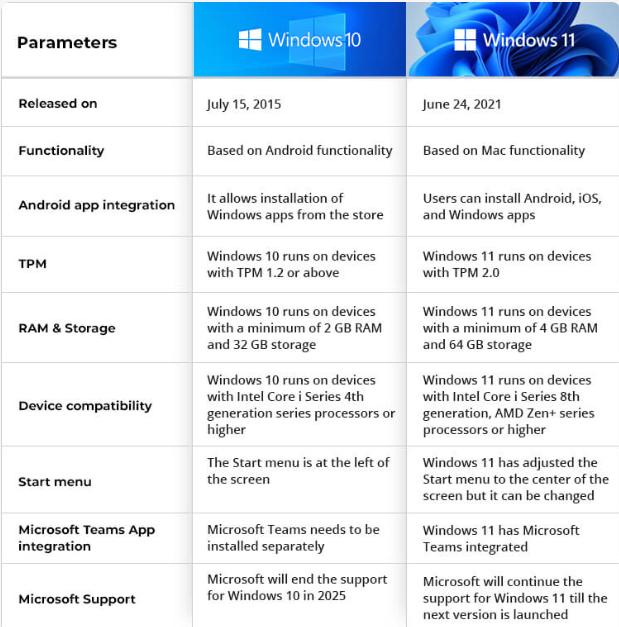
Future Outlook: Linux OS vs Windows OS
The next decade promises a brilliant evolution in the operating system landscape, with Linux OS vs Windows OS continuing to shape the way individuals and enterprises interact with technology.
Linux OS in the Next Decade
Linux OS is expected to gain unstoppable momentum as more organizations embrace open-source solutions for cost efficiency, scalability, and innovation. With lightweight distributions optimized for cloud computing, IoT, and edge devices, Linux will thrive in environments where performance and customization are critical. Its community-driven support ensures rapid adaptation to emerging technologies, making it a brilliant choice for forward-thinking users.
Windows OS in the Next Decade
Windows OS will continue to dominate mainstream and enterprise markets, leveraging its strengths in software compatibility, enterprise integration, and gaming excellence. Microsoft’s focus on cloud services, AI integration, and enterprise-grade security will keep Windows indispensable for businesses worldwide. Regular updates and a familiar interface will ensure it remains the reliable choice for everyday users.
The Brilliant Showdown Ahead
The Linux OS vs Windows OS showdown in 2026 and beyond is not about one system replacing the other as it’s about empowering users with choice. Linux will shine in areas demanding flexibility, efficiency, and innovation, while Windows will remain strong in usability, enterprise workflows, and entertainment. Together, they will define a decade of unstoppable digital growth, ensuring users can thrive in diverse computing environments.
Final Verdict

In 2026, the Linux OS vs Windows OS showdown highlights a brilliant reality: both systems have undeniable strengths, but Linux OS has proven itself to be a brilliant competitor for Windows users.
Linux shines with unstoppable advantages in cost efficiency, security brilliance, customization power, and community-driven innovation. Its ability to deliver a performance boost across devices makes it not only a reliable alternative but also a transformative choice for users seeking speed, stability, and efficiency.
Meanwhile, Windows OS continues to dominate mainstream and enterprise environments with its user-friendly interface, unmatched software compatibility, and gaming excellence. For many, Windows remains the seamless option for everyday workflows and entertainment.
For users who value freedom, flexibility, and long-term savings, Linux stands out as the unstoppable choice in 2026. It empowers individuals and organizations to thrive in a rapidly evolving digital world, proving that the era of Linux OS vs Windows OS is not about replacement, it’s about brilliance in choice.
| For More Contents About Linux OS: Visit Root Learning Website. Click The Link to Visit www.rootlearning.in. |
FAQs
Why choose Linux OS over Windows OS in 2026?
Linux offers cost efficiency, stronger security brilliance, and customization power. It’s free, lightweight, and ideal for users who value flexibility and long-term savings.
Is Windows OS still better for gaming?
Yes. Windows continues to dominate gaming with DirectX support, wide software compatibility, and optimized performance for the latest titles.
Can Linux OS run on older hardware better than Windows OS?
Yes, Linux distributions are lightweight and deliver a performance boost, making them efficient even on older devices where Windows may slow down.
Which OS is more secure: Linux OS or Windows OS?
Linux’s open-source model allows rapid community patches and fewer malware threats, while Windows provides regular updates but is more frequently targeted due to its widespread use.
What is the future outlook for Linux OS vs Windows OS?
In 2026 and beyond, Linux is expected to thrive in cloud, IoT, and enterprise innovation, while Windows will remain strong in mainstream usability, enterprise integration, and gaming excellence.
Discover more from Root Learning
Subscribe to get the latest posts sent to your email.


2 thoughts on “Linux OS vs Windows OS: The Unstoppable Advantages in 2026.”