Discover what is Linux in 2026 with essential insights that make your switch smooth, successful, and empowering. Learn the benefits, features, and reasons why Linux is the smart choice for your future.
Table of Contents
What Is Linux? A Beginner’s Guide
At its core, what is Linux? It is a free and open‑source operating system that manages the interaction between hardware and software. Unlike proprietary systems such as Windows or macOS, Linux is built on transparency and collaboration. This makes it secure, flexible, and widely used across servers, desktops, and mobile devices.
To understand what is Linux? you need to look at its history. Linux was created in 1991 by Linus Torvalds, who developed the Linux kernel as a free alternative to UNIX. Combined with tools from the GNU Project, Linux quickly grew into a global movement. Today, millions of developers contribute to its growth, ensuring constant innovation and stability.
The answer to what is Linux also lies in its open‑source foundation. The source code is freely available, meaning anyone can study, modify, and share it. This openness has led to the creation of hundreds of Linux distributions like Ubuntu, Fedora, and Debian each designed for different user needs, from beginners to advanced professionals.
Why It Matters
- Security: Community oversight keeps Linux strong against threats.
- Flexibility: Choose from many distributions tailored to your goals.
- Cost‑effective: Linux is free, saving money for individuals and businesses.
- Innovation: The open‑source model ensures rapid development and improvement.
Why Choose Linux in 2026

What is Linux? when people ask about is that it is one of the best answers is its flexibility. Linux can run on almost any device from laptops and desktops to servers and even smartphones. You can choose from many different versions, called distributions, each designed for specific needs. This makes Linux easy to adapt whether you are a student, developer, or business owner.
Another reason to understand is its strong security. Linux is built with powerful permission systems that protect your files and data. Because it is open‑source, thousands of developers around the world constantly check and improve the code. This teamwork makes Linux safer and less likely to be attacked compared to many other systems.
What is Linux in 2026 if you wonder is, think of innovation. Linux is always growing and improving. New tools, faster performance, and creative solutions are added every year. It supports modern technologies like cloud computing, artificial intelligence, and robotics. This makes Linux a smart choice for the future.
Choosing Linux in 2026 means choosing freedom, safety, and progress. It gives you control over your computer, saves money, and connects you to a global community of learners and creators. Switching to Linux is not just about using a new system it is about joining a movement that values openness and growth.
Key Benefits of Switching to Linux
When people ask about what is Linux, one of the first answers is stability. Linux is known for running smoothly for long periods without crashing. Many servers and companies use Linux because it can stay active for months or even years without problems. This makes it a reliable choice for both personal and professional use.
Another benefit is customization. You can change the look, feel, and behavior of your system to match your needs. From desktop themes to system settings, Linux gives you control. This freedom helps beginners keep things simple while advanced users can build powerful setups.
A big reason people ask what is Linux is because it saves money. Linux is free to download and use. You don’t need to pay for licenses like other operating systems. Most of the software available for Linux is also free, which makes it a smart choice for students, businesses, and anyone who wants to cut costs.
Finally, is also about community. Millions of users and developers around the world share tips, guides, and solutions. If you face a problem, chances are someone has already solved it and shared the answer online. This strong support system makes learning and using Linux easier and more enjoyable.
Switching to Linux in 2026 means choosing a system that is stable, flexible, cost‑effective, and backed by a global community. It’s not just an operating system it’s a way to take control of your technology with confidence.
What Is Linux Compared to Other Operating Systems
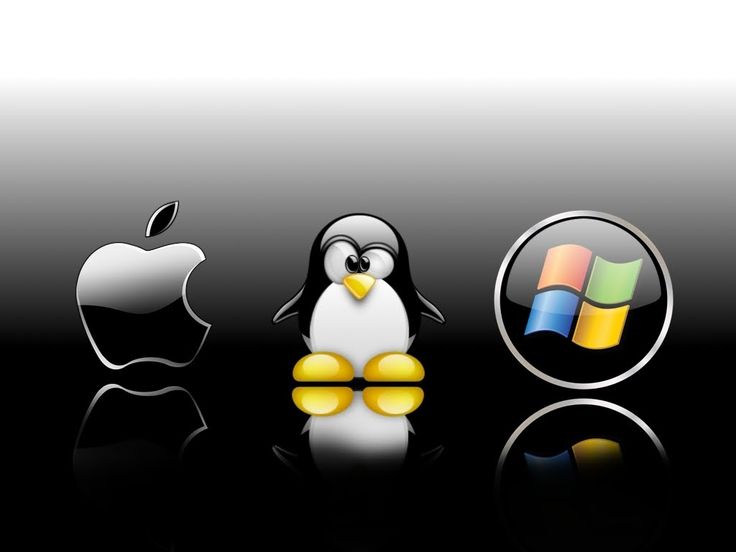
When asking what is Linux? it helps to compare it directly with other popular operating systems like Windows and macOS. Each system has its strengths, but Linux stands out for its open‑source nature, flexibility, and strong community support.
Windows is widely used because it comes pre‑installed on most computers and offers easy access to commercial software. However, Linux provides more freedom. Unlike Windows, Linux is free to use, and you can customize it to fit your needs. It is also less resource‑heavy, meaning it can run smoothly even on older hardware. While Windows focuses on user‑friendly design and gaming support, Linux shines in stability, security, and developer tools.
macOS is known for its polished design, smooth performance, and integration with Apple devices. But when you ask what is Linux compared to macOS, the answer is flexibility. Linux can be installed on almost any machine, not just Apple hardware. It also offers a wide range of distributions, giving users more choice. macOS is closed‑source, meaning only Apple controls its updates and features, while Linux is open‑source, allowing anyone to contribute improvements.
The biggest difference when exploring what is Linux compared to other operating systems is its community‑driven model. Linux users benefit from free updates, strong security, and thousands of free applications. It is especially popular among developers, businesses, and tech enthusiasts who value control and transparency.
Essential Tools and Applications on Linux
When people ask what is Linux? it’s not just about the operating system itself it’s also about the wide range of tools and applications that make it powerful and useful. Linux offers everything from productivity apps to developer tools and everyday software, making it a complete solution for work, study, and personal use.
Linux has many applications that help with daily tasks. Office suites like LibreOffice allow you to create documents, spreadsheets, and presentations. Tools such as Evolution or Thunderbird manage emails and calendars. For note‑taking and organization, apps like Joplin and Simplenote are popular. These tools make Linux a strong choice for students, professionals, and anyone who wants to stay organized.
A big part of what is Linux is its role in software development. Linux comes with powerful tools like Git for version control, Visual Studio Code for coding, and Docker for container management. Developers also use Apache and Nginx to run web servers, and MySQL or PostgreSQL for databases. These tools make Linux the preferred environment for programmers and tech teams worldwide.
Linux is not only for developers it also supports everyday software. You can browse the web with Firefox or Chromium, stream music with Spotify, and watch videos using VLC Media Player. For communication, apps like Slack, Zoom, and Telegram is available. This shows that Linux can handle both work and entertainment easily.
The variety of applications shows that what is Linux is more than just an operating system it’s a complete ecosystem. Whether you want to be productive, build software, or enjoy everyday activities, Linux has the tools to support you. Best of all, most of these applications are free and open‑source, giving you freedom and choice.
Future of Linux in 2026 and Beyond
When people ask what is Linux? the answer in 2026 is about growth. Linux has moved far beyond being just an alternative operating system. It is now powering servers, cloud platforms, mobile devices, and even smart technologies. With more companies and individuals switching to Linux, its user base continues to expand worldwide.
A big part of in 2026 is innovation. Linux supports cutting‑edge fields like artificial intelligence, robotics, and cloud computing. Developers are constantly improving the kernel and creating new distributions that meet modern needs. This innovation makes Linux faster, more secure, and more adaptable than ever before.
The strength of Linux lies in its community. Millions of developers and users contribute to its progress by sharing knowledge, fixing issues, and building new tools. In 2026, the Linux community is more global and diverse, making collaboration easier and more impactful. This evolution ensures that Linux remains open, inclusive, and future‑ready.
The future of Linux in 2026 and beyond is bright. It offers stability, freedom, and innovation while connecting people through a strong community. Choosing Linux means joining a movement that values openness, creativity, and progress. With its growing role in technology, Linux is set to remain a leader in shaping the digital world.
Conclusion: Embracing Linux in 2026.
When we ask what is Linux? the answer goes far beyond just an operating system. Linux represents freedom, stability, and innovation. In 2026, it continues to grow as a trusted choice for individuals, businesses, and developers worldwide.
Linux offers unmatched flexibility, strong security, and a supportive community that makes switching both practical and rewarding. Its open‑source foundation ensures constant improvement, while its cost‑effective nature makes it accessible to everyone.
Choosing Linux today means joining a global movement built on collaboration and progress. It’s not just about changing your operating system it’s about embracing a future where technology is open, inclusive, and empowering.
FAQs
What is Linux?
Linux is a free and open‑source operating system used on computers, servers, and many devices.
Is Linux hard to use?
No, many Linux versions are beginner‑friendly and easy to learn.
Can I run Windows apps on Linux?
Some Windows apps can run on Linux using tools like Wine, but not all.
Is Linux safe?
Yes, Linux is very secure because it is open‑source and constantly updated by the community.
Do I need to pay for Linux?
No, Linux is free to download and use.
Which Linux version should I choose?
Beginners often start with Ubuntu, Linux Mint, or Fedora.
Discover more from Root Learning
Subscribe to get the latest posts sent to your email.