Discover the essential differences between AerynOS and CentOS in 2026. Learn how performance, stability, security, and community support set them apart, and choose the right Linux distribution for your business success
Table of Contents
Introduction: Brief Overview of AerynOS and CentOS in 2026
When exploring the Differences Between AerynOS and CentOS in 2026, it becomes clear that both operating systems serve distinct purposes in the Linux ecosystem. AerynOS vs CentOS is not just a comparison of two distributions, but a reflection of how modern workloads demand flexibility, innovation, and stability.
AerynOS has emerged as a forward‑thinking Linux distribution designed for lightweight performance, cloud‑native applications, and rapid scalability. It emphasizes modular architecture, faster updates, and enhanced container support, making it ideal for startups and enterprises seeking agility.
On the other hand, CentOS continues to be recognized for its enterprise‑grade reliability, long‑term support, and compatibility with Red Hat Enterprise Linux (RHEL). In 2026, CentOS remains a trusted choice for organizations prioritizing stability, compliance, and predictable performance in mission‑critical environments.
When comparing AerynOS vs CentOS features, the differences highlight two philosophies: AerynOS focuses on innovation and adaptability, while CentOS emphasizes tradition and dependability. This makes the choice between them highly dependent on business goals, whether it’s speed and flexibility or long‑term stability and support.
System Architecture
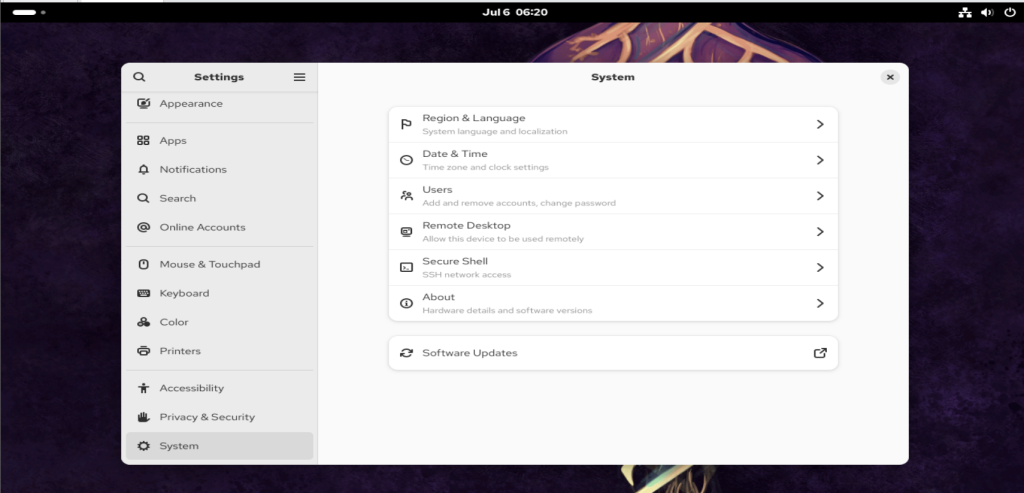
In 2026, the architectural foundations of both operating systems reveal how each distribution approaches efficiency and adaptability.
Kernel Design
AerynOS adopts a modular kernel structure that emphasizes lightweight execution and rapid adaptability. This design allows developers to fine‑tune components for cloud‑native applications and containerized environments, reducing overhead while maintaining flexibility. CentOS, by contrast, continues to rely on a monolithic kernel closely aligned with Red Hat Enterprise Linux. Its design prioritizes stability and long‑term support, ensuring predictable performance in enterprise workloads.
Resource Management
AerynOS integrates advanced scheduling algorithms and dynamic resource allocation, making it well‑suited for environments where workloads fluctuate rapidly, such as microservices or edge computing. CentOS focuses on conservative resource management, favoring consistency over speed. This approach benefits organizations that require dependable performance across large, mission‑critical systems without frequent adjustments.
Compatibility
AerynOS emphasizes compatibility with modern cloud platforms, container orchestration tools, and lightweight virtualization technologies. It is designed to integrate seamlessly with DevOps pipelines and agile infrastructures. CentOS, meanwhile, maintains strong compatibility with enterprise applications, legacy systems, and traditional server environments. Its alignment with RHEL ensures that businesses relying on established software stacks can continue operations without disruption.
Together, these architectural differences highlight how each system serves distinct needs: one optimized for agility and innovation, the other for reliability and continuity.
Performance: Speed, Efficiency, and Scalability for Modern Workloads

When analyzing Differences Between AerynOS and CentOS in terms of performance, the contrast is striking. AerynOS vs CentOS showcases two distinct approaches to handling modern workloads in 2026.
Speed
AerynOS is engineered with lightweight modules and optimized kernel scheduling, which results in faster boot times and reduced latency in cloud‑native environments. This makes it highly responsive for applications requiring real‑time data processing. CentOS, while not as fast in dynamic workloads, delivers consistent speed across enterprise systems, ensuring reliability for long‑running processes and mission‑critical applications.
Efficiency
AerynOS emphasizes resource efficiency by integrating adaptive algorithms that allocate CPU and memory dynamically. This allows organizations to maximize performance while minimizing hardware costs. CentOS, on the other hand, focuses on predictable efficiency, maintaining steady performance even under heavy loads. Its conservative approach ensures that enterprise systems remain stable without unexpected fluctuations.
Scalability
Scalability is where AerynOS shines. Designed for container orchestration and microservices, it scales seamlessly across distributed environments, making it ideal for businesses embracing DevOps and agile infrastructures. CentOS continues to excel in scaling traditional enterprise workloads, offering robust support for large databases, ERP systems, and legacy applications.
Ultimately, the AerynOS vs CentOS features comparison shows that AerynOS is best suited for organizations prioritizing agility and innovation, while CentOS remains the go‑to choice for enterprises that value stability and long‑term dependability.
Security: Built‑in Tools, Patching Cycles, and Threat Protection

When comparing Differences Between AerynOS and CentOS in terms of security, both distributions take unique approaches to safeguarding systems in 2026. The AerynOS vs CentOS debate highlights how each OS balances innovation with reliability, especially when it comes to updates, built‑in tools, and protection against evolving cyber threats.
Built‑in Security Tools
AerynOS integrates modern security frameworks with its Moss package manager, ensuring safe installations and minimizing dependency risks. It also provides enhanced EFI handling, reducing vulnerabilities during system boot. CentOS, meanwhile, relies heavily on SELinux (Security‑Enhanced Linux), offering mandatory access controls that protect enterprise workloads from unauthorized access.
Patching Cycles
AerynOS follows a rapid patching cycle, delivering frequent updates to address vulnerabilities quickly. This approach benefits organizations that prioritize agility and want to stay ahead of emerging threats. CentOS, in contrast, adopts a conservative patching model aligned with Red Hat Enterprise Linux. Updates are slower but thoroughly tested, ensuring stability and compliance for mission‑critical systems.
Threat Protection
AerynOS emphasizes proactive defense, with atomic updates that prevent partial installations from leaving systems exposed. Its design supports cloud‑native environments, making it resilient against container‑based attacks. CentOS focuses on long‑term threat protection, offering hardened security policies and compliance certifications that meet industry standards in finance, healthcare, and government sectors.
In summary, the AerynOS vs CentOS features comparison shows that AerynOS is ideal for organizations seeking rapid updates and cloud‑native security, while CentOS remains the trusted choice for enterprises requiring stability, compliance, and predictable defense mechanisms.
Community & Support: Developer Ecosystems, Documentation, and Enterprise Backing
When examining Differences Between AerynOS and CentOS in terms of community and support, the AerynOS vs CentOS comparison highlights how each distribution builds trust and engagement with users in 2026
Developer Communities
AerynOS has cultivated a growing, innovation‑driven community that thrives on experimentation and modern workloads. Its forums and collaborative spaces are filled with developers working on cloud‑native applications, container orchestration, and lightweight performance optimizations. CentOS, in contrast, benefits from a mature and well‑established community. With decades of enterprise adoption, CentOS users can rely on extensive peer support, troubleshooting guides, and long‑standing expertise across industries.
Documentation
AerynOS provides streamlined, developer‑friendly documentation that emphasizes clarity and adaptability. Its guides are tailored for modern infrastructures, making it easier for new adopters to integrate AerynOS into agile pipelines. CentOS documentation, meanwhile, is comprehensive and deeply aligned with Red Hat Enterprise Linux standards. This ensures that enterprises have access to detailed manuals, compliance guidelines, and structured support for mission‑critical deployments.
Enterprise Backing
AerynOS positions itself as a forward‑looking distribution, backed by contributors focused on innovation and scalability rather than traditional enterprise contracts. This makes it appealing to startups and organizations seeking flexibility. CentOS, however, benefits from its close alignment with RHEL, offering enterprise‑grade support, certifications, and compliance guarantees. For industries like healthcare, finance, and government, this backing provides confidence in long‑term stability and regulatory adherence.
In summary, the AerynOS vs CentOS features comparison shows that AerynOS appeals to developers and innovators seeking agility, while CentOS remains the trusted choice for enterprises requiring structured support and compliance.
Migration Strategy: Switching Between CentOS and AerynOS
When considering Differences Between AerynOS and CentOS in 2026, migration strategy plays a crucial role in ensuring smooth transitions. The AerynOS vs CentOS comparison highlights how organizations can move between these distributions depending on their evolving needs.
Migrating from CentOS to AerynOS
For businesses seeking agility, cloud‑native performance, and faster patch cycles, moving from CentOS to AerynOS can be highly beneficial. The process involves evaluating application compatibility, container orchestration requirements, and resource allocation. Since AerynOS emphasizes modular architecture and atomic updates, enterprises should plan for testing workloads in staging environments before full deployment. Documentation and community support provide guidance for adapting legacy applications to AerynOS’s lightweight ecosystem.
Migrating from AerynOS to CentOS
Organizations that prioritize compliance, long‑term stability, and enterprise certifications may choose to switch back to CentOS. This migration requires careful planning to align workloads with CentOS’s conservative patching cycles and SELinux security policies. Enterprises should focus on ensuring compatibility with RHEL‑based applications and verifying that mission‑critical systems meet regulatory standards. CentOS’s mature community and extensive documentation make the transition smoother for businesses seeking predictable performance.
Strategic Considerations
Ultimately, the AerynOS vs CentOS features comparison shows that migration decisions depend on business goals. AerynOS is ideal for innovation‑driven organizations embracing cloud and DevOps, while CentOS remains the trusted choice for enterprises requiring compliance and stability. A well‑structured migration plan should include workload testing, backup strategies, and clear timelines to minimize disruption.
Final Thoughts on Choosing the Right Distribution for Success
In 2026, the Differences Between AerynOS and CentOS highlight two distinct paths for organizations depending on their priorities. The AerynOS vs CentOS comparison shows that while both are powerful Linux distributions, their philosophies diverge in meaningful ways.
AerynOS stands out for agility, innovation, and cloud‑native adaptability. With rapid patch cycles, modular architecture, and strong performance in containerized environments, it is best suited for startups, developers, and enterprises embracing DevOps and modern workloads.
CentOS, on the other hand, remains the trusted choice for enterprises that prioritize stability, compliance, and long‑term support. Its alignment with Red Hat Enterprise Linux ensures predictable updates, hardened security policies, and compatibility with mission‑critical applications.
Ultimately, the AerynOS vs CentOS features comparison makes it clear: AerynOS is ideal for organizations seeking speed and flexibility, while CentOS is the reliable backbone for industries requiring consistency and regulatory assurance. Success in 2026 depends on aligning your choice with business goals.
FAQs
What are the main Differences Between AerynOS and CentOS in 2026?
AerynOS focuses on agility, modular updates, and cloud‑native performance, while CentOS emphasizes stability, compliance, and enterprise‑grade reliability.
Is AerynOS faster than CentOS for modern workloads?
Yes, AerynOS delivers faster boot times and dynamic resource allocation, making it ideal for cloud and containerized environments. CentOS provides consistent speed for long‑running enterprise applications.
How do AerynOS vs CentOS features differ in terms of security?
AerynOS uses atomic updates and modern package management for proactive defense, while CentOS relies on SELinux and conservative patch cycles for long‑term stability.
Which OS has stronger community and support in 2026?
AerynOS has a growing developer‑driven community focused on innovation, whereas CentOS benefits from a mature ecosystem with enterprise backing and extensive documentation.
Should I migrate from CentOS to AerynOS?
Migration depends on business goals. Choose AerynOS for agility and cloud‑native workloads, or CentOS for compliance, stability, and mission‑critical systems.
Discover more from Root Learning
Subscribe to get the latest posts sent to your email.