Introduction
Almost every developed country has its own Frontier Models, except India. We conducted the AI Impact Summit 2026. We have the talent. We have the infrastructure. But we don’t have the will. A Frontier model can make or break India’s position in the global South.
As multiple wars rage across different parts of the world, we are seeing an increase in the use of AI in warfare to gain the upper hand. The same is true for technical advancements as well. So, we cannot sit quietly and depend on other countries to take us up in the AI race. It is our duty to become a global leader in AI. Let us understand what our situation in this AI cold-war era is and how it can shape the next decade.
Table of Contents
What is a Frontier Model?
Frontier models are general-purpose models meant for everyday use. They can handle multiple data inputs such as text, images, videos, and code. They represent the cutting-edge innovation being done by the companies. The top AI companies compete with each other by releasing their own Frontier Models. Each successive release pushes what AI can or cannot do.
They are trained on huge datasets and on billions of parameters. The goal is to ensure public gets access to the most efficient models. More users a model has, more scope of improvement it provides for companies to work on. The source code for these models is usually behind a closed door. Only people who work in the specific company can access it.
Fine-tuned models are different. These use frontier models as their foundation and build on top of them. They train it on their own custom dataset to ensure it serves their purpose. Open-source models are available for anyone to read and understand. These models have their source code completely open for the public. Anybody can access it, modify it, and play with it. Obviously, there are moderators and technical people who ensure no bad actor interacts with it. But open-source models help bring the innovation to the public’s hands without charging them anything.
Where Does India Stand Right Now?
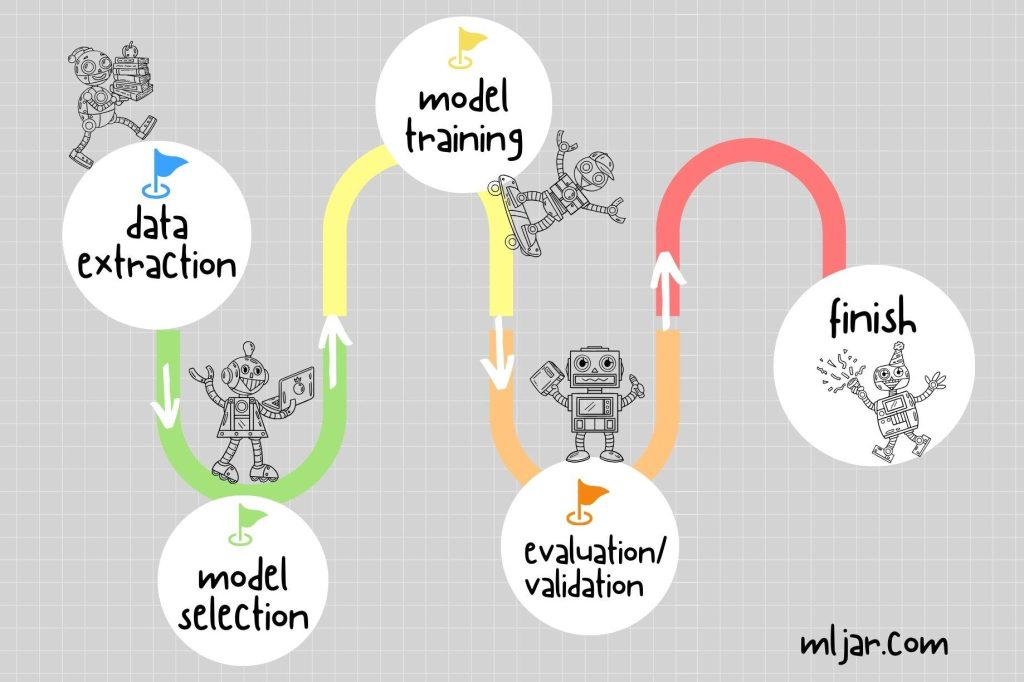
India is not entirely absent from the frontier model conversation. Krutrim, founded by Ola’s Bhavish Aggarwal, became India’s first AI unicorn. Sarvam AI is building multilingual models for Indian languages. The government’s IndiaAI Mission has committed ₹10,000 crore towards AI infrastructure. But none of these qualify as true frontier models yet. They are fine-tuned, smaller-scale, or domain-specific. The gap between what India has and what OpenAI, Google, or China’s DeepSeek has built is still enormous. India’s Frontier Model ambition exists on paper. It has not yet arrived in practice.

Reason 1: The Question of Sovereignty
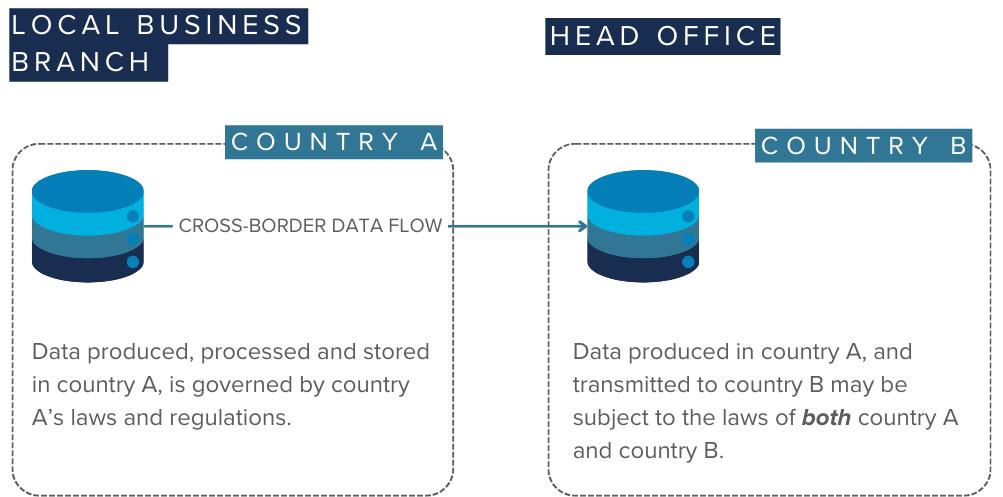
When you use GPT-4 or Gemini, your data passes through American servers, under American law, shaped by American policy. When a government department, a defence contractor, or a hospital uses these models, that dependency becomes a vulnerability. A sovereign frontier model means India controls its own AI infrastructure which has our own data, guardrails, and access. In an era of sanctions, trade wars, and AI export restrictions, depending on foreign frontier models is a strategic liability. India’s Frontier Model is not just a technology question. It is a national security question.
Reason 2: Language and Cultural Representation
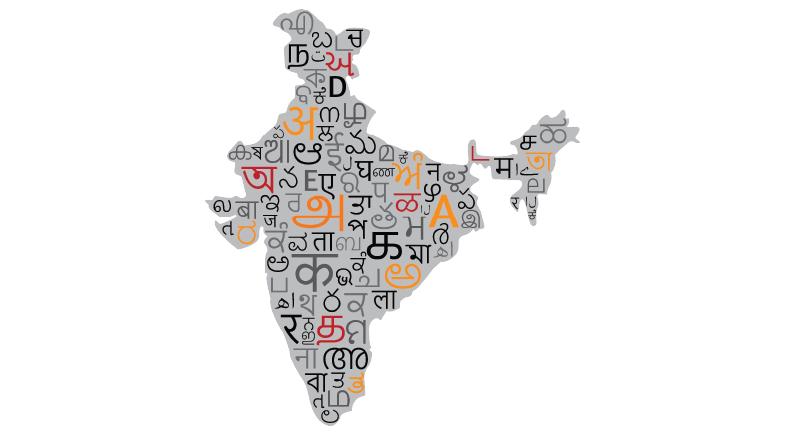
India has 22 scheduled languages and hundreds of dialects. English-dominant frontier models built in San Francisco do not understand the way a farmer in Vidarbha speaks, the way a student in Tamil Nadu searches, or the way a shopkeeper in Ludhiana negotiates. Frontier Models in AI are only as useful as they are accessible. For India’s billion-plus users, accessibility means mother tongue. No foreign model will ever prioritise this the way an Indian-built model would. Language is not our feature, it is our culture. And Foundation is built on culture.
Reason 3: The Economics of Building and Training a Model
Every dollar spent on a foreign model is a dollar that leaves the Indian economy. Every API call to OpenAI is revenue for an American company. Now flip that. An India-built model generates intellectual property, creates high-skill jobs, attracts global investment, and positions India as an AI exporter rather than an AI consumer. The AI Impact Summit 2026 made this clear that the countries that build frontier models will collect the economic rent. The countries that only use them will pay for it. India has the talent pipeline from its IITs, IIITs, and a thriving startup ecosystem. The missing piece is concentrated, committed capital.
Reason 4: The Efficient Frontier Model – Our Jugaad
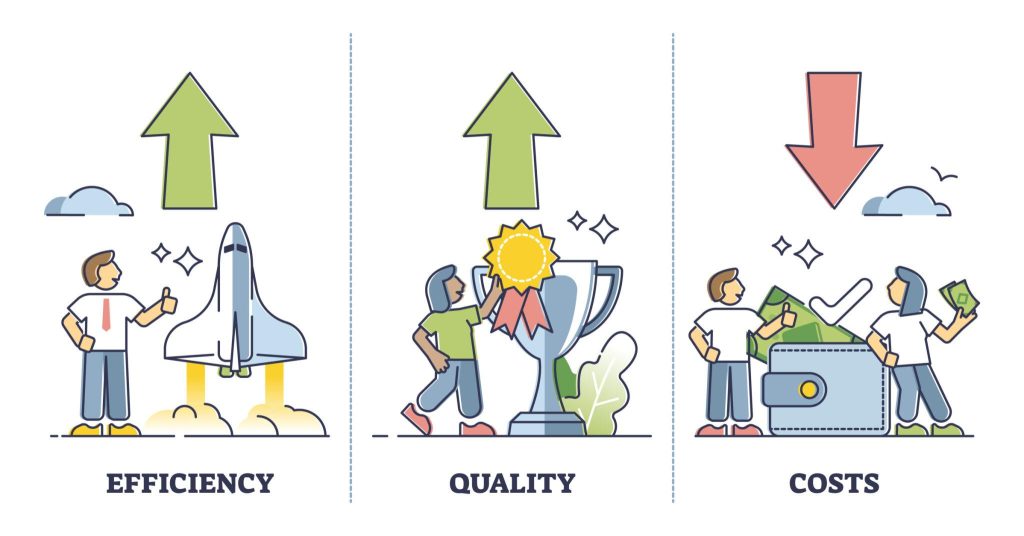
India does not need to out-spend the United States to win this race. That is the wrong game. DeepSeek proved that an efficient model, one built with architectural innovation and resource discipline, can match or outperform models that cost ten times more to train. This is where India’s edge actually lies. Indian engineers have historically thrived under constraint. The efficient frontier model approach, optimising for maximum capability at minimum compute cost, is not a compromise. It is a competitive strategy. India does not need OpenAI’s budget. It needs OpenAI’s ambition and its own jugaad.
Reason 5: Time and AI Wait for None
This is the argument that does not get made enough. Frontier model development has compounding returns. The more data you train on, the better your model gets. The better your model gets, the more users adopt it. The more users adopt it, the more data you collect. Countries and companies that establish themselves now will entrench their advantage over time. India is not hopelessly behind yet. But every year of inaction makes the climb steeper. The debate is not whether India should build its own frontier model eventually. The question is whether India still can if it waits another five years.
The Debate: Arguments For and Against
The case against building India’s own frontier models is not without merit. Training a true frontier model costs hundreds of millions of dollars. India’s compute infrastructure, despite the IndiaAI Mission, is still catching up. There is a real risk of duplicating effort when open-source models like LLaMA can be fine-tuned for a fraction of the cost. Critics argue that India’s strengths lie in application-layer innovation, which means building products on top of existing frontier models rather than competing at the foundation layer.
These are fair points. But they assume the current access will remain open, affordable, and politically neutral. It may not. Open-source models are already becoming more restricted. API pricing can change overnight. And fine-tuned models built on foreign foundations will always carry the ceiling of those foundations. The debate between building and borrowing is real. But borrowing indefinitely is not a strategy. It is a dependency.
Conclusion: India’s Decade Starts Now

The AI Impact Summit 2026 did not just raise questions. It revealed a consensus quietly forming among India’s technologists, policymakers, and entrepreneurs that the frontier model gap is India’s most urgent technological challenge. Not because it is fashionable. Because the alternative is irreversible. A country that cannot build its own frontier models will not lead the global South. It will serve it on someone else’s terms. India has the talent, the market, and now the awareness. What it needs is the will to act before time runs out. The next decade will not wait.
Frequently Asked Questions
Q. What is a Frontier Model in simple terms?
A. A frontier model is the most advanced AI system available at any given time — capable of handling text, images, code, and more. Think of it as the cutting edge of what AI can do today.
Q. Does India have its own Frontier Model?
A. Not yet. India has promising efforts like Krutrim and Sarvam AI, but none qualify as true frontier models at a global scale.
Q. Why can’t India just use ChatGPT or Gemini?
A. It can — and it does. But relying entirely on foreign models means India’s data, decisions, and dependencies sit on foreign infrastructure. That is a strategic risk.
Q. What is an Efficient Frontier Model?
A. An efficient frontier model prioritises maximum capability at minimum compute cost. It is not about spending the most — it is about building the smartest. DeepSeek proved this is possible.
Q. How much does it cost to build a Frontier Model?
A. Training a top-tier frontier model currently costs anywhere between $50 million and $500 million. However, efficient approaches are bringing that number down rapidly.
Q. What was the AI Impact Summit 2026?
A. A landmark gathering examining India’s position in the global AI race — and the urgent question of whether India needs its own frontier models to remain competitive.
Q. Is India too late to build its own Frontier Model?
A. Not yet. But the window is narrowing. Every year of inaction compounds the gap.
Discover more from Root Learning
Subscribe to get the latest posts sent to your email.